
Welcome toNuisance Wildlife
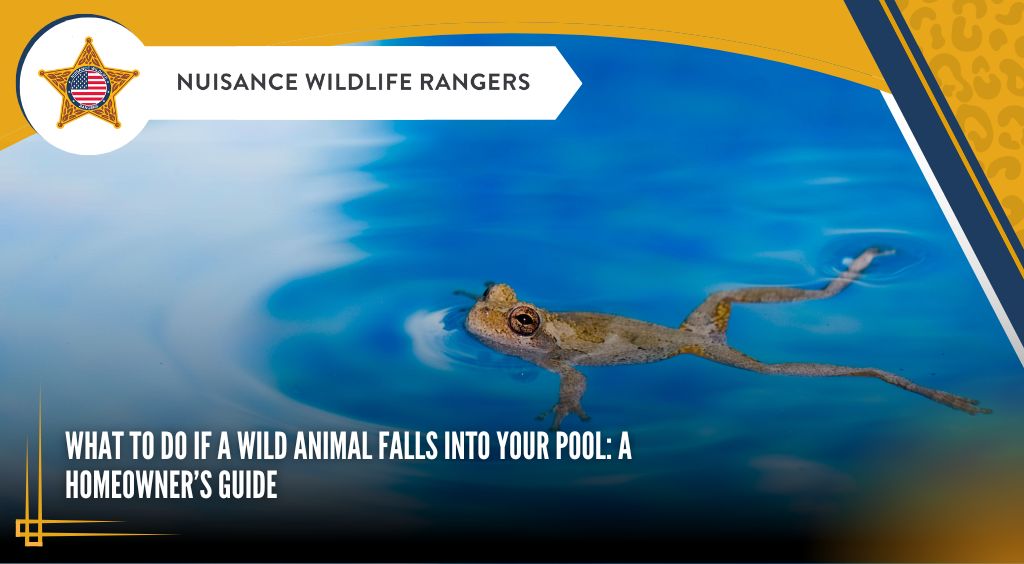
Owning a swimming pool in Florida can be a major perk—especially on a hot summer day. But if you’ve ever discovered an animal in your pool—alive or dead—you know it can quickly turn from fun to frightening. Wildlife encounters in Florida are common, and pools often attract animals seeking water or a cool place to rest.
If you’re a homeowner or property manager in the Sunshine State, it’s essential to understand what to do if a wild animal falls into your pool—and how to prevent it from happening in the first place. This guide will walk you through the most important steps to take, safety precautions, and long-term strategies to keep wildlife out of your pool.
Florida is home to a wide range of wildlife—from frogs and squirrels to raccoons, birds, snakes, and even the occasional deer. These common animals found in residential areas may be drawn to your pool water for several reasons:
Once inside the pool, animals—especially small ones—often struggle to climb out, putting them at risk of drowning or becoming trapped. You can make your pool and home less attractive to wildlife by removing food and water source
When you notice an animal in your pool, stay calm. Your first step should always be safety—for yourself, your family, your pets, and the animal.
Determine if the animal is alive or dead. Avoid getting too close, as frightened animals can become aggressive or carry harmful bacteria or diseases such as leptospirosis and salmonella.
Don’t let dogs, cats, or children near the pool until the animal has been removed and the pool has been properly sanitized.
Once you’ve assessed the situation, it’s time to take action. The process differs depending on whether the animal is alive or dead.
If you have small animals in your pool, like frogs, mice, birds, or squirrels, you should:
If you have larger animals in your pool, like a deer or an alligator, you should:
If you find a dead animal in your inground pool, here’s how to handle it properly:
You can also call a wildlife professional to come and remove live or dead animals from your pool. This is the smartest and safest course of action, as it prevents you from coming into contact with the animal or any diseases it may have.
Even if the animal is alive and escapes, it may leave behind bacteria, fur, feces, or urine that contaminates your pool water.
After an animal has been in your pool, you should:
While removing animals is necessary, preventing animals from falling into your pool in the first place is far better. Here are some important steps to take.
A strong, secure pool cover not only helps maintain your pool but also acts as a barrier for many animals. Choose one that’s weight-rated for safety.
Install a fence around your pool area to keep pets, small animals, and children safe. Make sure the fence is high enough and not easy to climb.
Trimming trees reduces the chance of squirrels, birds, or cats falling into the pool. It also helps minimize leaves and debris that can attract animals looking for food or shelter.
Food sources and other attractants can cause wildlife to come to your pool area, making it likely that they will fall in. To limit attractants, you should:
Affordable and easy to use, escape ramps give critters like frogs or mice a way out. Place them near corners where animals are most likely to get trapped.
Keeping your yard tidy and free of dense shrubs or woodpiles makes your property less inviting to wildlife.
Some species are more likely than others to end up in your pool:
If you find any of these animals in your pool, you should call a professional wildlife removal company like Nuisance Wildlife Rangers. We can safely and humanely remove any type of animal from your pool or home.
A wild animal in your pool isn’t just unpleasant—it’s a potential health risk:
That’s why it’s critical to treat your pool after every wildlife incident—even minor ones.
If you’re dealing with larger animals, repeated intrusions, or are unsure how to properly sanitize your pool, don’t hesitate to call:
These pros have the tools and experience to protect your pool and your health, and they can save you time and money in the long run.
Dealing with animals in your pool isn’t just a Florida inconvenience—it’s a real issue that can affect your health, safety, and wallet. Whether it’s frogs, raccoons, or other animals, being prepared with a pool net, knowing how to shock your water, and taking preventative measures can go a long way in keeping your pool a place for fun—not fear.
Understanding what to do if a wild animal falls into your pool is a responsibility every pool owner in Florida should take seriously. It’s not just about cleaning up after the fact—it’s about making sure your pool is safe for humans and pets alike.
Contact Nuisance Wildlife Rangers for more information on how we can help you remove dead and live animals from your pool.
Yes, exposure to chlorine and other pool chemicals can be harmful—or even fatal—to wildlife. Small animals like frogs or birds are especially vulnerable, as they absorb chemicals through their skin or feathers. Even brief contact with treated water can cause respiratory distress or chemical burns. That’s why it’s important to help trapped animals out of the pool as quickly as possible.
Signs of unseen contamination include sudden cloudiness in the water, unexplained drops in chlorine levels, or a strong odor from the pool. If you notice debris like fur, feathers, or droppings in the pool or around the skimmer, it’s a good idea to shock the water and retest the chemical balance—even if you didn’t witness the animal.
Caution is advised. Some homemade repellents (such as ammonia-based sprays or spicy mixtures) may deter animals, but they can also damage pool equipment or alter water chemistry if they enter the pool. If you choose to use repellents, keep them well away from the water and filtration system, and always research their effects on pets and native wildlife.
Solar covers can provide a partial barrier, but they are not a reliable way to keep animals out. In fact, animals can become trapped underneath floating covers, which makes escaping even harder. If you use a solar blanket, remove it when not needed or pair it with additional safety measures like fencing or wildlife ramps.
During Florida’s warmer months (typically April through October), it’s a good idea to do a quick inspection of your pool daily, especially in the early morning. Wildlife tends to be more active at night, so checking for signs of intrusion—such as muddy prints, droppings, or disturbed pool water—can help you address issues before they escalate.
Yes, motion-activated sprinklers, lights, or ultrasonic devices can be effective for deterring wildlife—especially raccoons, deer, and cats. These systems startle animals without harming them and can be a smart investment for properties near wooded areas or natural habitats. Be sure to position them to avoid false triggers from wind or pool activity.
 Call Now
