
Welcome toNuisance Wildlife
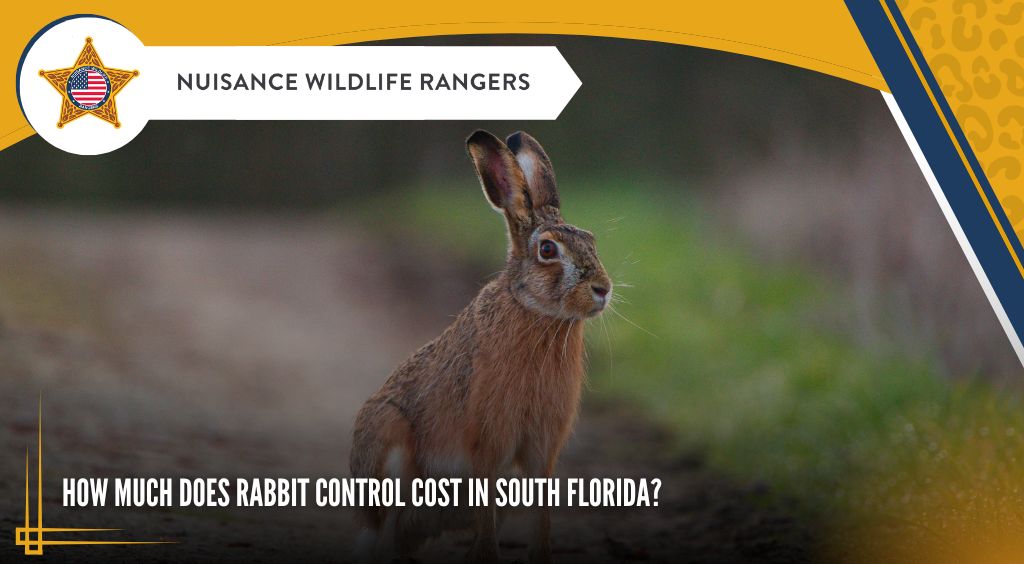
Rabbit control in South Florida can cost anywhere from $150 for basic prevention work to more than $2,000 for large properties with ongoing wildlife problems. The final price depends on the size of the yard, the level of rabbit activity, the type of damage, and the control methods used. Homeowners often pay more when rabbits have easy access to food sources, gardens, decorative plants, or trees around the home.
In South Florida, rabbit control is more common than many people realize. Warm weather, thick ground cover, and year-round food make the region suitable for rabbits. While rabbits may seem harmless at first, they can quickly destroy a garden, damage irrigation lines, strip bark from young trees, and create expensive landscaping problems.
Understanding the cost of rabbit control helps homeowners protect their property before damage becomes severe.
South Florida provides almost perfect conditions for rabbits. The climate stays warm through winter and summer, which allows rabbit populations to stay active all year. Dense landscaping, decorative plants, and backyard gardens create shelter and easy food access.
Some species, including marsh rabbits, are common throughout Florida wetlands and residential areas near water.
Rabbits are attracted to:
Many people first notice a rabbit issue after seeing chew marks around plants or holes under fences. Others discover the problem after expensive landscaping starts dying unexpectedly.
The difference between pest control and humane rabbit removal comes down to purpose, methods, and how the animals are treated.
Pest control is a broad service that targets many types of nuisance animals and insects, including rodents, bugs, and sometimes rabbits. The main goal is to reduce or eliminate pests quickly and protect your home or yard from damage. Methods may include repellents, exclusion barriers like a fence, habitat changes, or traps. In some cases, pest control can involve more aggressive techniques depending on the situation. This type of service is often ongoing and focuses on keeping pest numbers low over time.
When rabbits are handled under pest control, the focus is usually on preventing access to food sources, protecting plants, and stopping damage in areas like the garden or yard. The goal is not always to deal with individual rabbits, but to make the property less attractive to them.
Humane rabbit removal, on the other hand, is a specialized wildlife service that focuses on safely removing rabbits without harming them. This approach uses live trapping, exclusion methods, and relocation when allowed by local and legal guidelines. It also includes sealing entry points, checking the ground for burrows, and creating a long-term prevention plan.
The key difference is intent. Pest control is about managing the problem, while humane rabbit removal is about handling the animal safely and responsibly. Humane removal also takes legal regulations into account, which is important in places like Florida, where certain wildlife species may be protected.
In many situations, the most effective solution combines both approaches—removing rabbits humanely and then adding prevention methods like fencing, motion systems, and habitat changes to protect the property and avoid future problems.
The cost of rabbit control depends on how serious the infestation has become and which pest control company or wildlife specialist performs the work.
Here is a general breakdown of what homeowners can expect:
Most companies charge between $75 and $200 for an inspection. Some businesses apply the inspection fee toward the final service cost if treatment is approved.
During the inspection, technicians check:
They may also check motion camera footage or signs of activity around windows, sheds, and gardens.
Basic prevention usually costs between $150 and $500.
This service often includes:
Prevention work is often the least expensive option because it stops rabbits before major damage occurs.
If rabbits are already living on the property, removal costs typically range from $300 to $1,500.
The price depends on:
Some wildlife companies use live traps, while others focus on exclusion methods that force rabbits to leave naturally.
Large estates, golf courses, farms, and commercial properties may pay $2,000 or more for ongoing rabbit control.
These projects usually involve:
Properties with recurring rabbit problems often require several visits throughout the year.
Several factors can increase rabbit control costs in South Florida.
Rabbits can destroy expensive landscaping quickly. They often target decorative plants, flowers, vegetables, and young trees.
When severe damage already exists, companies may need to install stronger prevention systems and heavier fencing. This adds labor and material costs.
Properties with gardens, fruit trees, bird feeders, or pet food outside often attract more rabbits.
When food remains available, rabbit control becomes more difficult because rabbits continue to return.
A damaged fence creates easy access to the yard. Small openings near the ground are enough for rabbits to enter.
Many homeowners underestimate how important fencing is for rabbit prevention. A proper fence may need to extend several inches below ground level to stop digging.
Larger properties require more inspection time, additional materials, and more labor.
A small backyard may only need a couple of barrier repairs, while a multi-acre property could require hundreds of feet of exclusion fencing.
The best rabbit control plans usually combine multiple methods rather than relying on one solution.
Fence installation is one of the most effective long-term solutions.
Rabbit fencing usually uses fine mesh wire placed low to the ground. Many professionals recommend burying part of the fence below the surface to prevent digging underneath.
While fence installation can seem expensive upfront, it often prevents years of landscaping damage.
Removing rabbit hiding spots can help reduce activity around the home.
This may include:
When rabbits lose shelter and food access, they often move elsewhere.
Motion-activated lights and sprinklers can help scare rabbits away from gardens and plants.
These systems work best when combined with fencing and habitat control.
Motion systems are popular because they are safe for pets and children.
Some pest control companies use scent or taste repellents to protect plants and trees. Most professional wildlife removal companies do not use repellents, as they can be harmful to animals, children, and the environment.
Repellents may need repeated applications during rainy periods or throughout the summer growing season.
While repellents can help, they usually work best as part of a larger prevention plan.
In some cases, professionals use live traps to remove rabbits.
However, trapping alone rarely solves the problem permanently unless homeowners also address food sources and access points.
For many South Florida homeowners, rabbit control is worth the investment because landscaping replacement costs can become extremely high.
A rabbit infestation can destroy:
Replacing damaged landscaping can cost far more than prevention services.
Rabbit control also saves homeowners time and frustration. Many people spend months trying DIY solutions before hiring professional pest control companies.
Some homeowners attempt rabbit control on their own to avoid service costs.
DIY methods may include:
While these approaches can help temporarily, they often fail when rabbit populations grow.
Professional wildlife companies usually produce better long-term results because they understand rabbit behavior and local conditions in South Florida.
Professionals also know which methods are legal and safe under Florida wildlife regulations.
Rabbit control laws vary depending on the species involved and local wildlife rules.
Certain rabbits in Florida, including protected marsh rabbit populations, may have legal protections in some areas.
Homeowners should never assume all trapping or removal methods are allowed.
Licensed wildlife professionals understand current legal requirements and can help homeowners avoid fines or accidental violations.
Rabbit activity changes throughout the year, even in warm climates like South Florida.
During winter, rabbits often search for bark, shrubs, and garden plants because natural food sources become less available.
This is when homeowners frequently notice damage to trees and decorative landscaping.
Spring and summer bring rapid plant growth, which attracts rabbits to gardens and lawns.
This is also breeding season, so rabbit populations can increase quickly.
A couple of rabbits can turn into a much larger problem within a single year if prevention is ignored.
Homeowners can lower rabbit control costs by acting early.
Helpful prevention steps include:
Early prevention work is usually much less expensive than large-scale wildlife removal.
While rabbits are different from invasive reptiles or plants, the same principle applies: prevention costs less than long-term damage control.
Not all pest control companies specialize in rabbit removal. While pest control is a common choice among homeowners, it’s better to choose a wildlife removal company that uses humane trapping and removal methods.
Before hiring a company, homeowners should:
A good company should explain exactly how they plan to protect the property and prevent rabbits from returning.
Avoid businesses that promise instant results without discussing long-term prevention.
The cost of rabbit control in South Florida depends on the severity of the problem, property size, and the methods needed to stop damage. Most homeowners spend between a few hundred dollars and over a thousand dollars for effective rabbit control and prevention.
Although rabbits may appear harmless, they can cause serious damage to gardens, plants, trees, and landscaping around the home. Prevention is usually easier, safer, and less expensive than waiting until rabbits fully establish themselves on the property.
For homeowners dealing with repeated rabbit activity, professional wildlife control services often provide the most reliable results. A strong fence, proper prevention, reduced food access, and consistent monitoring can help protect the yard throughout the year.
Contact Nuisance Wildlife Rangers today to learn more about the cost of rabbit removal in South Florida.
Rabbits can cause noticeable damage in just a few days. They feed frequently and tend to return to the same food sources, especially if your yard provides easy access to plants, vegetables, or young trees. In some cases, homeowners notice missing plants or chewed stems almost overnight. Acting early is important to prevent long-term damage.
Rabbits are most active during early morning and evening hours, known as dawn and dusk. However, in quiet neighborhoods or areas with little human activity, they may also be seen during the day. Installing motion systems or checking your yard during these times can help confirm rabbit activity.
Yes, rabbits can return if the property still offers food, shelter, and easy access. Even if a couple of rabbits are removed, others may move in if conditions remain suitable. That’s why prevention steps like securing fences, removing attractants, and maintaining the yard are critical for long-term results.
Homes with gardens, landscaped yards, or properties near open land, canals, or wooded areas are more likely to experience rabbit activity. Yards with dense ground cover, decorative plants, or easy access under fences are especially attractive to rabbits.
Most modern rabbit control methods are designed to be safe when used correctly. Humane removal, fencing, and motion-activated devices are generally low-risk options. If repellents or other treatments are used, it’s important to follow instructions or work with a professional to ensure safety around pets and children.
You may need professional help if you notice repeated damage, multiple rabbits, burrows in the ground, or failed DIY efforts. If the problem continues over time or gets worse each season, a professional can assess the situation and recommend a more effective solution tailored to your property.
 Call Now
