
Cane Toad Removal
The Cane Toad (Rhinella marinus) is a large, non-native amphibian that was introduced to Florida. Adult Cane Toads generally range from 6 to 9 inches long. Cane Toads were originally introduced in the sugar cane fields as a form of biological pest control since their natural diet includes insects. They have large parotid glands behind their ears. These glands secrete a potent milky-white toxin as a defense against predators. The Cane Toad is a psychoactive toad. This means it produces a psychoactive substance from the family of bufotoxins. This is why Cane Toads are sometimes called Bufo Toads by Floridians. The toxin itself is called 5-methoxy-N, N-dimethyltryptamine. People have been reported to lick these toads in order to experience a full body rush and powerful hallucination. In pets however this toxin is very dangerous and can even be lethal.
Recent Work / View all work


Recent Posts / View All Posts
Wildlife issues can escalate quickly in South Florida. One day, you hear scratching in the attic, and the next, you’re dealing with structural damage, health risks, and unwanted visitors making themselves at home. If you’re searching for same-day animal removal in Palm Beach County, it’s usually because the situation can’t wait. This guide explains what to expect from professional animal…
How to Pick the Best Wildlife Removal Agency in Palm Beach County
writer | Wild Life Control | No CommentsWildlife problems are a common concern for homeowners across Palm Beach County. From raccoons in the attic to snakes in the yard, unwanted critters can quickly turn a peaceful home into a stressful environment. Choosing the right wildlife removal agency in Palm Beach County is not just about convenience—it directly affects your safety, your property, and the humane treatment of…
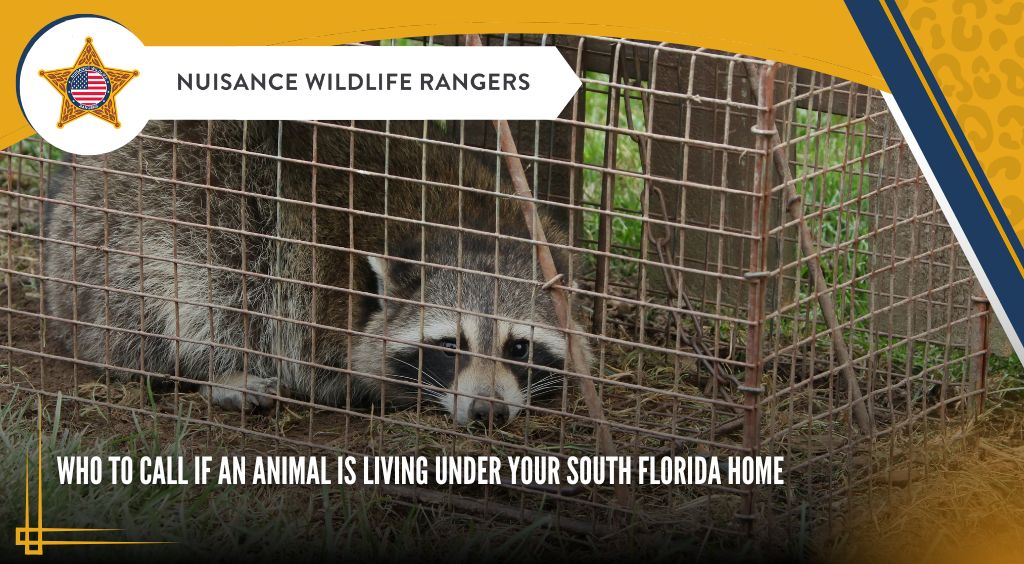
Who To Call If An Animal Is Living Under Your South Florida Home
writer | Animal Removal | No CommentsHearing scratching, movement, or digging beneath your house can be unsettling. Many homeowners in South Florida eventually face this issue because the region’s warm climate, steady food sources, and abundant wildlife create the perfect environment for animals to seek shelter around residential properties. If you suspect an animal is living under your home, it is important to act quickly and…
Wildlife problems are common for homeowners across Florida, especially in South Florida and Palm Beach County, where warm weather and dense development often push animals closer to residential areas. When wildlife invades a house, attic, or yard, the situation can quickly turn from inconvenient to dangerous. From raccoons in the attic to rats nesting in walls, dealing with nuisance wildlife…
