
Cane Toad Removal
The Cane Toad (Rhinella marinus) is a large, non-native amphibian that was introduced to Florida. Adult Cane Toads generally range from 6 to 9 inches long. Cane Toads were originally introduced in the sugar cane fields as a form of biological pest control since their natural diet includes insects. They have large parotid glands behind their ears. These glands secrete a potent milky-white toxin as a defense against predators. The Cane Toad is a psychoactive toad. This means it produces a psychoactive substance from the family of bufotoxins. This is why Cane Toads are sometimes called Bufo Toads by Floridians. The toxin itself is called 5-methoxy-N, N-dimethyltryptamine. People have been reported to lick these toads in order to experience a full body rush and powerful hallucination. In pets however this toxin is very dangerous and can even be lethal.
Recent Work / View all work


Recent Posts / View All Posts
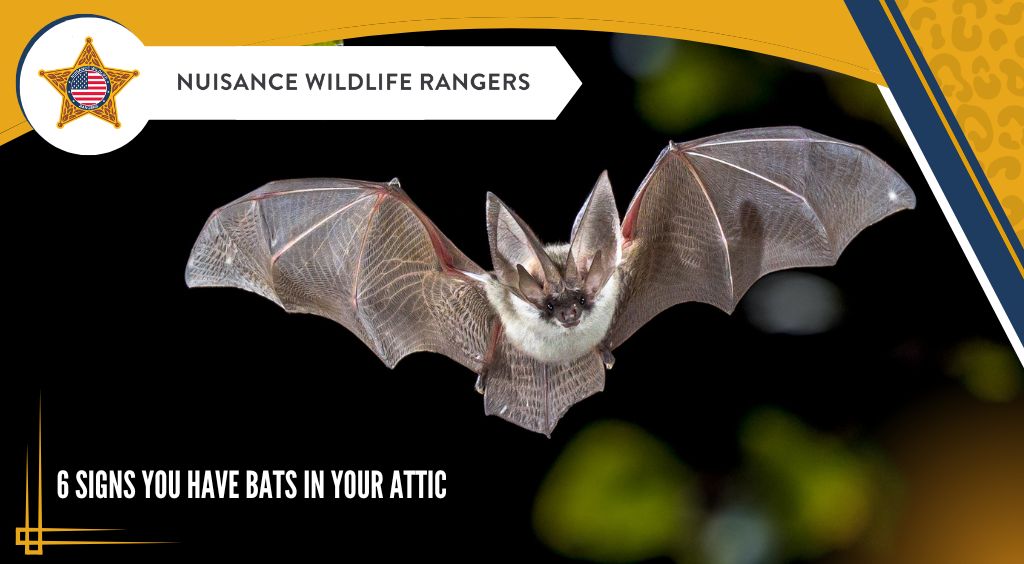
If you have noticed unusual noises overhead or have seen bats flying around your home at dusk, you may be dealing with bats in your attic. While bats play an important role in Florida’s ecosystem by eating thousands of insects each night, they do not belong inside your house. This article will explore common signs of bats in your attic….
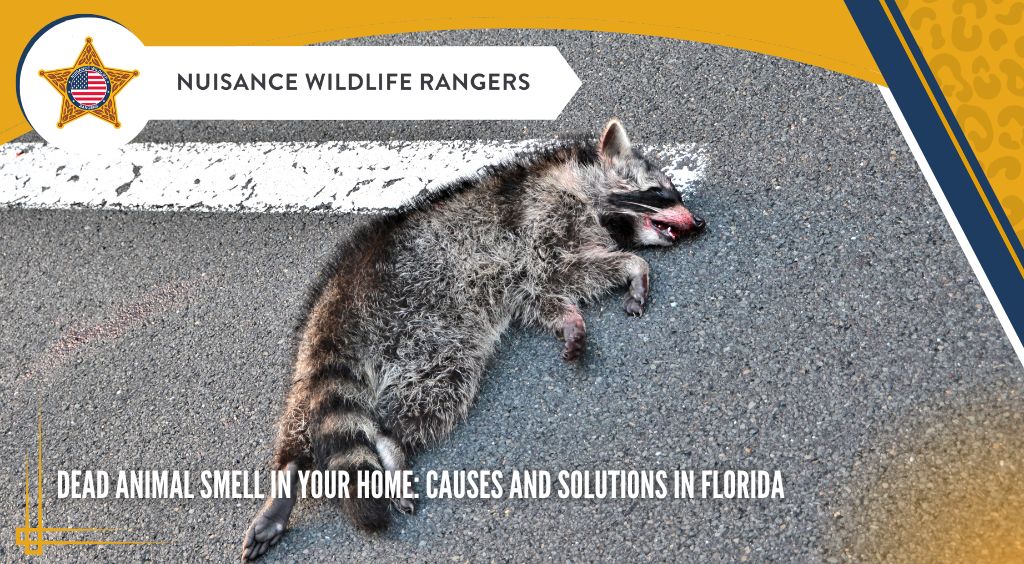
Dead Animal Smell in Your Home: Causes and Solutions in Florida
writer | Animal Removal | No CommentsA dead animal smell inside your home is more than just unpleasant. It can quickly make your house uncomfortable, affect indoor air quality, and sometimes point to a larger wildlife problem. In Florida, warm temperatures speed up decomposition, making dead animal odors stronger and causing them to spread throughout the home much faster than in cooler climates. Whether a rat…
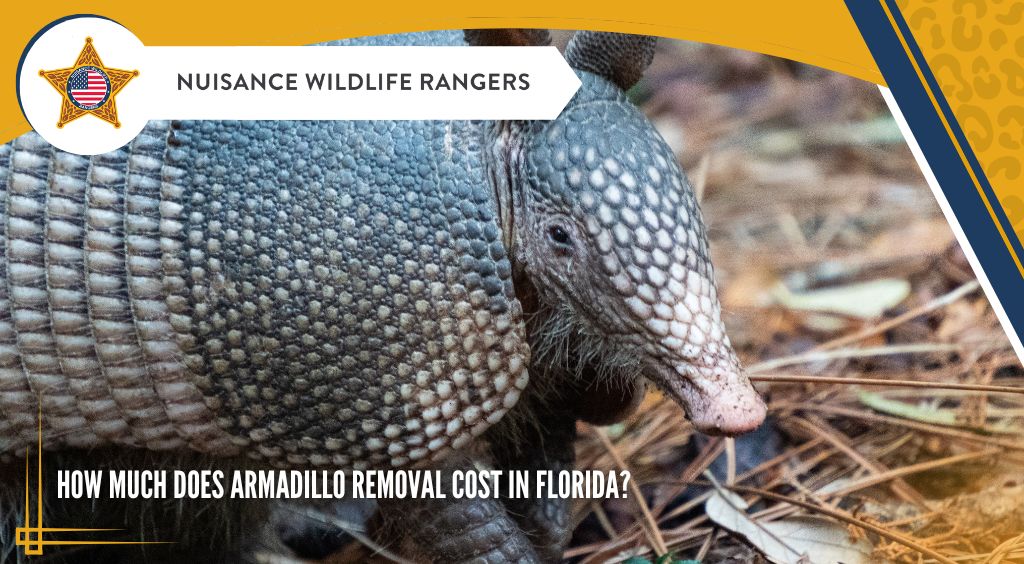
Armadillos may look harmless, but they can cause significant property damage in Florida. A single armadillo can dig multiple burrows beneath sheds, decks, driveways, and even a home’s foundation. Their constant digging for insects leaves behind loose soil, uprooted plants, and uneven ground, creating safety hazards for people and pets. If you’re dealing with an armadillo problem, one of your…

If you’ve spotted a dusky pygmy rattlesnake around your property, it’s important to take the situation seriously. While this small rattlesnake is much shorter than an eastern diamondback rattlesnake, it is still one of Florida’s native venomous species. Attempting to kill or capture it yourself can put you, your family, and your pets at risk. Professional dusky pygmy rattlesnake removal…
