
Welcome toNuisance Wildlife
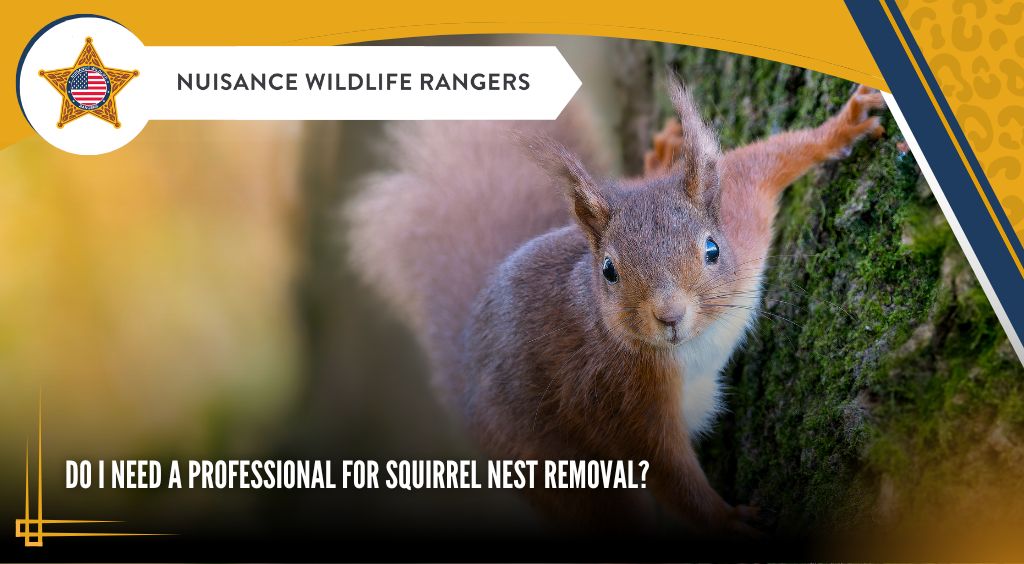
Florida, with its sprawling oak trees, inviting attics, and year-round warmth, is paradise not just for humans—but for squirrels, too. From flying squirrels silently gliding through the night to gray squirrels scurrying across tree branches, the Sunshine State is home to several species that, while cute, can become destructive houseguests. When squirrels decide your attic is the perfect nesting spot, the question arises: Do you really need a professional to handle squirrel nest removal?
Let’s dig in.
Squirrels are part of the rodent family, which means they share many habits with their less-favored cousins: rats. They chew incessantly, gnaw through electrical wiring, nest in insulation, and contaminate spaces with feces and urine. Florida’s climate encourages year-round activity, making squirrel problems less seasonal and more persistent.
Common squirrel species in Florida include:
These animals are highly adaptable and can gain access through vents, damaged soffits, roof edges, or any main hole larger than 1.5 inches. Once inside, they chew, gnaw, scratch, and nest.
Having squirrels in your attic is more than a minor nuisance. Here’s why:
Squirrels chew constantly to wear down their teeth. Unfortunately, electrical wiring is a prime target. Damaged wires pose a real fire risk.
Squirrel nests are full of parasites like fleas, ticks, and mites. Their droppings and urine can trigger respiratory problems and contaminate your insulation. In addition, squirrels can carry fleas that spread to dogs and humans.
Squirrels breed twice a year in Florida—late winter and late summer. That’s when baby squirrels are born. If you try to remove squirrels during this time, you may separate mothers from their babies, leading to death, odor, and further infestation.
From shredded attic insulation to gnawed beams and walls, squirrels leave a trail of destruction. They may also tear apart ducts and disturb HVAC systems.
It’s tempting to take the DIY route—especially with advice scattered across forums and YouTube videos—but consider the risks:
Removing one squirrel doesn’t mean you’ve found the entire nest, especially during breeding season. Young squirrels are helpless and hidden, and mothers are highly protective. Leave babies behind, and you’ll have death, odor, and flies to deal with.
Squirrels are wildlife. They bite when threatened and carry disease-carrying parasites. Handling them without the proper safety equipment can expose you to infection or injury.
You might plug one entry point, but squirrels are persistent. Miss the main hole, and they’ll chew another way in. Inadequate sealing also traps animals inside, leading to death and decay.
Bringing in a certified pest control and wildlife specialist isn’t just about getting rid of unwanted guests—it’s about protecting your home, your family, and Florida’s protected wildlife laws.
A professional squirrel removal company will complete the following tasks:
Professional wildlife removal experts identify entry points, assess nesting areas, and determine if babies are present. This inspection helps them decide the best way to move forward with removal techniques.
Using cage traps, one-way doors, and bait, they catch the squirrels without harming them. One-way doors allow animals to exit but not re-enter, especially useful when babies are mature enough to leave.
Professionals remove feces, urine, debris, and nesting material—then treat the area for fleas, ticks, and odors. This ensures your home is safe for you, your family, and your pets.
Before completing the job, professional squirrel removal experts will seal all entry points, reinforce weak areas, and offer prevention advice to stop future infestations.
Florida wildlife laws protect certain animals, including some squirrels. Professionals ensure compliance with state regulations and humane practices.
Once the removal is complete, the job isn’t done. Here’s how to stay squirrel-free:
These tips will help you prevent further squirrel infestations from occurring. Most wildlife removal companies will teach you these prevention methods before their job is done.
If you notice any of the following, do not wait:
These signs indicate that you have a squirrel infestation. By calling a professional, you will prevent further damage from occurring, ensure your home is safe from health hazards, and get rid of squirrels in the home for good.
Squirrels might seem harmless, but they’re among the most destructive pests when left unchecked. Squirrel nest removal is delicate, dangerous, and governed by law in Florida. While DIY methods might offer short-term relief, they rarely address the full problem—and can even worsen it.
Calling a professional ensures the safe, humane, and permanent removal of squirrels. It protects your home, your family, and your sanity.
At Nuisance Wildlife Rangers, we can remove squirrel nests and any remaining squirrels with ease. Our years of experience make us the best technicians for the job. Contact us today for more information on how we can help you solve a squirrel infestation.
Yes, if preventive steps aren’t maintained. Even after professional removal and sealing, squirrels may attempt to return—especially during breeding seasons. To reduce the risk, continue monitoring potential entry points, trim nearby trees regularly, and avoid leaving food sources (like bird seed or open trash) accessible around the home.
Do not attempt to raise or relocate it yourself. In Florida, it’s illegal to possess most wildlife without a permit. Instead, contact a licensed wildlife rehabilitator or a local animal control agency. Attempting to care for wild baby squirrels can unintentionally harm them and expose you to parasites.
Most over-the-counter squirrel repellents (sprays, ultrasonic devices, etc.) offer only temporary relief. Squirrels quickly adapt and are more motivated by access to food or shelter. Repellents can be part of a broader prevention plan, but they’re not a standalone solution.
Typically, a full removal process takes 3–7 days, depending on the number of squirrels and whether babies are present. The timeline includes setting traps or one-way doors, verifying all squirrels have exited, removing the nest, sanitizing, and sealing entry points.
It depends on your policy. Most insurers classify squirrel damage as “preventable” and may not cover repairs for chewed wires, insulation, or structural damage. However, some policies may assist if the damage leads to secondary issues like fire or water leaks. It’s best to review your specific plan or consult your provider.
Yes. While attics are the most common nesting spots, squirrels may also occupy chimneys, wall cavities, crawl spaces, and even garages. Any quiet, enclosed space that offers warmth and shelter can become a nest site—especially if it’s close to food sources or trees.
 Call Now
